A catalogue, one topic at a time
Watch real English. Rewrite what you hear.
203 curated YouTube videos, each cut into a paraphrase drill. Press play, catch three sentences straight from the transcript, and rewrite them in your own words.
Education
9These videos argue over exam-based grading, school systems, and what actually helps people learn — good practice for paraphrasing a claim before you push back on it.






Environment
9Mostly plain-spoken science explainers on pollution, biodiversity, and climate — dense with the precise cause-and-effect vocabulary examiners reward.



Sports
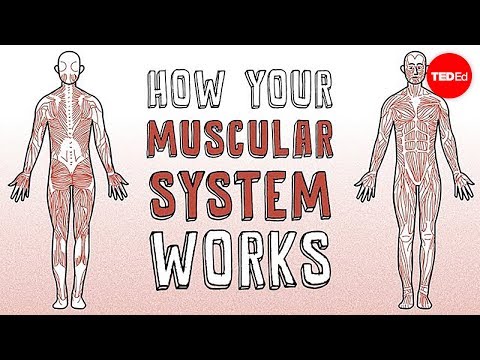
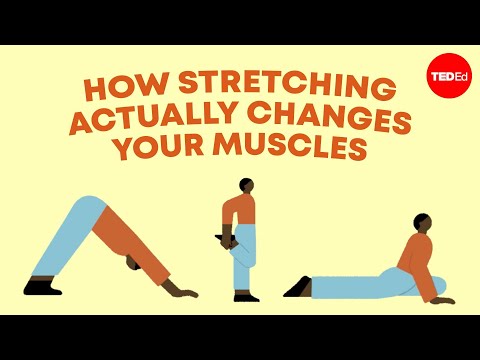
10Body-and-brain science explainers on exercise, practice, and performance — a chance to turn technical claims into exam-appropriate register.


Food
11Ranges from food-science explainers to pop-history — cravings, sugar, pricing, and cultural habits, all framed as public-health or fairness arguments.








Technology
8Covers addictive app design, privacy, and how the internet actually works — precise, technical vocabulary that lifts weak Task 2 tech essays.






Society
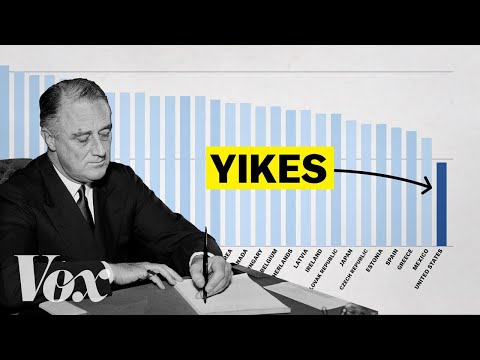
12Data-driven explainers on housing, inequality, and policy — good source material for essays that need a real statistic instead of a vague claim.








Work
12Debates open-plan offices, remote work, and pay transparency — practice paraphrasing both sides of a workplace argument.









Family
11Covers delayed parenthood, parental leave, and shifting family structures — useful for essays comparing tradition against modern choice.


Health
11Explains healthcare costs, access, and medical breakthroughs in plain terms — precise vocabulary for essays that go beyond "eat well, exercise."




Culture
11Compares customs and etiquette across countries — built for essays that need a concrete cross-cultural example, not a generalisation.








Government
12Walks through how voting, lawmaking, and checks and balances actually work — the civics vocabulary most learners are missing.





Business and advertising
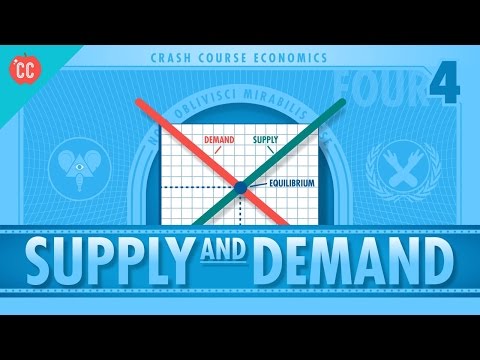
11Explains markets, pricing, and advertising tactics — practice naming an economic idea precisely instead of reaching for "good for the economy."



Travel and transport
11Compares airlines, rail systems, and traffic policy across countries — solid material for essays that argue infrastructure choices, not just preferences.





Crime and punishment
11Covers evidence, sentencing, and justice-system fairness with real data — a step up from vague "crime is bad" claims.








Buildings
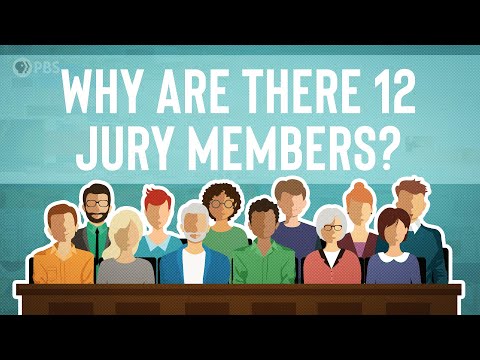
11Explains construction methods and housing policy side by side — useful for essays comparing engineering choices across countries.








The future
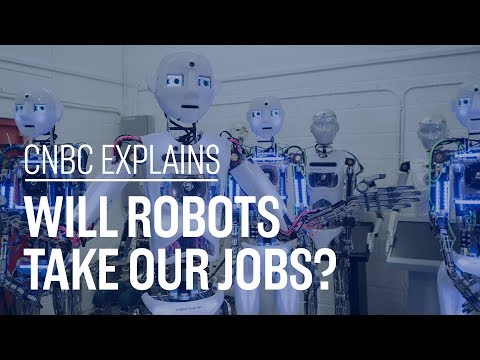
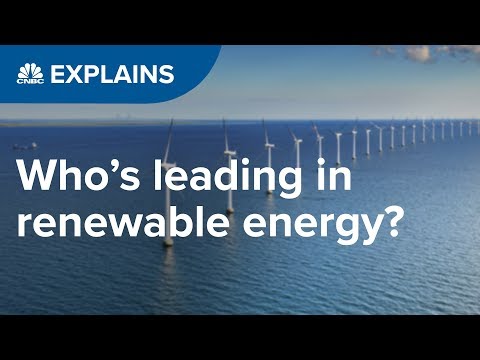
11Weighs both sides on automation, climate, and new technology — practice arguing a balanced, evidence-based prediction instead of a guess.








Reading
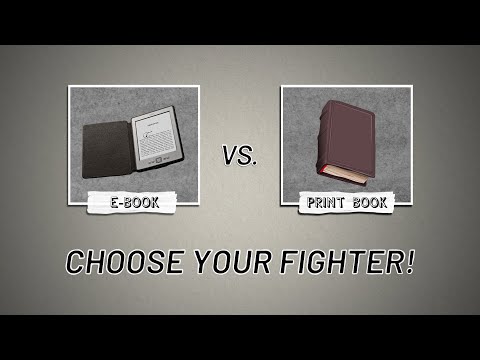
11Covers reading habits, censorship, and how screens change literacy — good for essays that need a specific stance, not "reading is good."









Hobbies (music, movies)
8Covers gaming, music, and collecting as serious industries — a fresher angle than the usual "hobbies reduce stress."